Understanding the Importance of Finding the Right Dentist
Choosing the right dentist is crucial for maintaining oral health and achieving a beautiful smile. Many individuals underestimate the long-term impact that a dental professional can have on their overall health and quality of life. A skilled dentist not only addresses immediate dental issues but also plays a vital role in preventive care and education. For those in need of dental services, it’s essential to find local practitioners who can provide personalized care. When exploring options, view it now for a comprehensive directory of trusted dentists.
Why Professional Dental Care Matters
Routine dental care is essential for several reasons. Professional dentists help detect potential problems before they escalate into severe issues, such as tooth decay or gum disease. Regular check-ups not only keep your teeth healthy but also have a significant influence on your overall health. Studies have shown that oral health is linked to various systemic conditions, including heart disease and diabetes. By prioritizing professional dental care, patients can maintain optimal health and avoid costly procedures down the line.
Common Misconceptions About Dental Visits
Many people harbor misconceptions about dental visits that can deter them from seeking necessary care. One common myth is that dental cleanings are always painful. In reality, professional cleaning is typically a painless experience for most patients, especially with the advances in dental technology. Another misconception is that only those with visible problems need to visit a dentist. Preventive care is critical for everyone, regardless of the state of their teeth. Educating patients about these myths can promote a more proactive approach to dental health.
Identifying Your Dental Needs
Identifying personal dental needs is the first step in finding the right dentist. Not all dentists specialize in the same areas; some may focus on cosmetic procedures, while others may excel in pediatric dentistry or orthodontics. Understanding what kind of care you require can streamline the search process. Take into account any previous dental work, ongoing treatments, or specific concerns you might have when evaluating potential dental practices.
How to Navigate the Process of Booking Dental Appointments
Finding and securing an appointment with a local dentist should be a straightforward process. With the right tools and knowledge, patients can effectively navigate through their options and schedule a visit efficiently. Utilizing online platforms and resources can simplify this experience immensely, making it quicker and more convenient for patients to get the care they need.
Step-by-Step Guide to Finding Local Dentists
- Start with a Comprehensive Search: Use online tools to search for dentists in your area. Look for reviews and ratings to gauge patient satisfaction.
- Check Professional Qualifications: Ensure the dentist is licensed and has relevant certifications.
- Visit Their Website: A professional website will typically provide insights into the services offered, office hours, and contact information.
- Read Patient Reviews: Check platforms for feedback from previous patients to understand their experiences.
- Contact the Dentist’s Office: Call or email to inquire about services, insurance acceptance, and appointment availability.
Using Technology to Simplify Appointment Scheduling
The digital age has revolutionized how patients interact with healthcare providers, including dentists. Many practices now offer online booking systems that allow patients to check availability and schedule appointments at their convenience. This technology reduces the hassle of making phone calls and allows for immediate confirmation. Some platforms even offer reminders and allow patients to reschedule through a simple online interface.
Real-Time Availability: Why It Matters
Understanding a dentist's real-time availability is crucial for efficient appointment scheduling. Many modern dental websites provide an interactive calendar that shows open slots for appointments. This transparency helps patients manage their time effectively and choose a time that works best for them. Knowing when a dentist is available saves time and reduces frustration, enhancing the overall experience of dental care.
Best Practices for Your Dental Visit
Preparing for a dental appointment can help ensure that you receive the most beneficial care during your visit. Understanding what to expect and knowing how to communicate your needs can lead to a more productive appointment with your dentist.
Preparing Questions for Your Dentist
Before your visit, it’s important to prepare a list of questions to ask your dentist. Inquire about any concerns you have regarding your oral health, potential treatments, and preventive measures. Specific questions might include:
- What is the condition of my teeth and gums?
- What treatments do you recommend, and why?
- How can I improve my oral hygiene routine?
- Are there any dietary changes that could benefit my teeth?
- What are the costs associated with my treatment plan?
What to Expect During a Check-Up
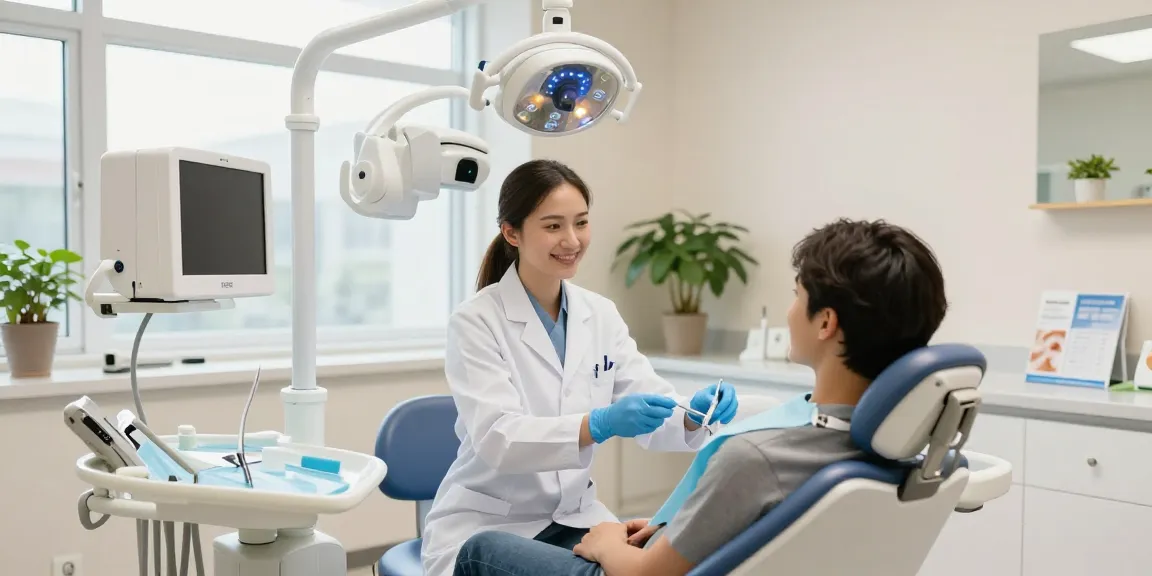
During a routine dental check-up, your dentist will typically conduct a thorough examination of your teeth and gums, followed by a cleaning. This process usually involves:
- Reviewing your medical history and current medications.
- Performing an oral cancer screening.
- Taking X-rays if necessary for further evaluation.
- Cleaning your teeth to remove plaque and tartar buildup.
- Discussing any issues and potential treatments with you.
Post-Appointment Care: Essential Tips
After your dental visit, following specific care tips can help maintain your oral health. These may include:
- Continue brushing at least twice a day with fluoride toothpaste.
- Floss daily to remove food particles and plaque from between teeth.
- Avoid sugary foods and drinks that can promote decay.
- Schedule your next appointment before leaving the office to ensure continuity of care.
- If you experience discomfort after any procedures, follow your dentist's aftercare instructions carefully.
Common Challenges Patients Face and How to Overcome Them
Patients often encounter specific challenges when seeking dental care. Acknowledging these issues and understanding how to address them can facilitate a smoother experience and eliminate barriers to care.
Addressing Dental Anxiety and Fear
Dental anxiety is a common issue that affects many patients. To mitigate fears, consider the following strategies:
- Discuss your fears with your dentist before your appointment; they can help tailor your care to your comfort level.
- Request sedation options if you feel that they will help you relax during treatments.
- Bring a friend or family member for support during your visit.
- Practice relaxation techniques, such as deep breathing or visualization, to calm your nerves.
Understanding Treatment Options and Costs
Financial concerns often produce anxiety surrounding dental care. Understanding various treatment options and their associated costs can empower patients to make informed decisions. Ensure that you:
- Discuss costs upfront with your dentist, including any insurance coverage.
- Understand the benefits and drawbacks of different treatment options.
- Ask about financing plans or payment options available through the practice.
Dealing with Emergency Dental Situations
Dental emergencies can happen unexpectedly, leading to pain and confusion regarding what to do next. Common emergencies include:
- Knocked-out teeth: Try to place the tooth back in its socket or keep it moist in milk.
- Severe toothaches: Rinse with warm salt water and seek professional care.
- Broken crowns or fillings: Contact your dentist for instructions on how to manage the situation.
- Gums that bleed excessively: Apply a clean cloth or gauze and seek immediate help if bleeding persists.
Future Trends in Dental Care and Technology
The dental industry is constantly evolving, with new technologies and practices being developed to enhance patient care. Staying informed about these trends can help patients take advantage of innovative solutions in their dental health journey.
Emerging Dental Technologies for 2026
As we look ahead to 2026, several advancements in dental technology promise to improve both patient experience and treatment outcomes. These include:
- 3D printing of dental restorations for custom, more precise dental work.
- Artificial intelligence tools that assist in diagnostics and treatment planning.
- Teledentistry options that allow for remote consultations and follow-ups.
- Advanced imaging systems that provide more detailed pictures of dental issues.
Telehealth in Dentistry: The Next Big Thing
Telehealth is revolutionizing the way patients interact with healthcare providers, including dentists. Tele-dentistry enables patients to engage in virtual consultations, providing a convenient alternative to traditional visits. This can be particularly beneficial for patients in remote areas or those unable to travel due to health issues. Furthermore, telehealth can facilitate follow-up evaluations without needing to leave home.
How to Stay Informed About Dental Innovations
To keep abreast of innovations in dental care, patients should utilize a variety of resources:
- Follow credible dental health websites and blogs for the latest news and research.
- Attend dental health fairs or seminars that introduce new technologies and practices.
- Engage in conversations with your dentist about advancements and how they may impact your care.
How can I find a local dentist quickly?
Utilizing online search tools specifically designed for finding dental professionals can streamline the process. Many platforms allow you to filter by location, specialty, and patient reviews.
What questions should I ask during my dental appointment?
Prepare a list of important questions to discuss with your dentist, focusing on personalized care and understanding necessary treatments.
How can I manage dental anxiety effectively?
Practice relaxation techniques and openly communicate your fears with your dentist, who can help create a comfortable environment during your visits.
What are the latest advancements in dental technology?
Stay informed about innovative technologies by checking dental news outlets and engaging with your dentist during visits to learn about new tools and methods.
How often should I visit my dentist?
Most dental professionals recommend visiting at least twice a year for routine check-ups, although patients with specific dental issues may need to visit more frequently.